The analytics tool divide is real: on one side, you have Google Analytics with 847 different metrics and reports that require a PhD to interpret. On the other side, you have simple dashboards that show you exactly what you need to know in under 30 seconds.
Complex tools like Google Analytics, Facebook Business Manager, or enterprise platforms give you every possible data point. That sounds great until you're spending hours trying to figure out what "bounce rate" means for your business or why your "sessions" went up but your inquiries didn't.
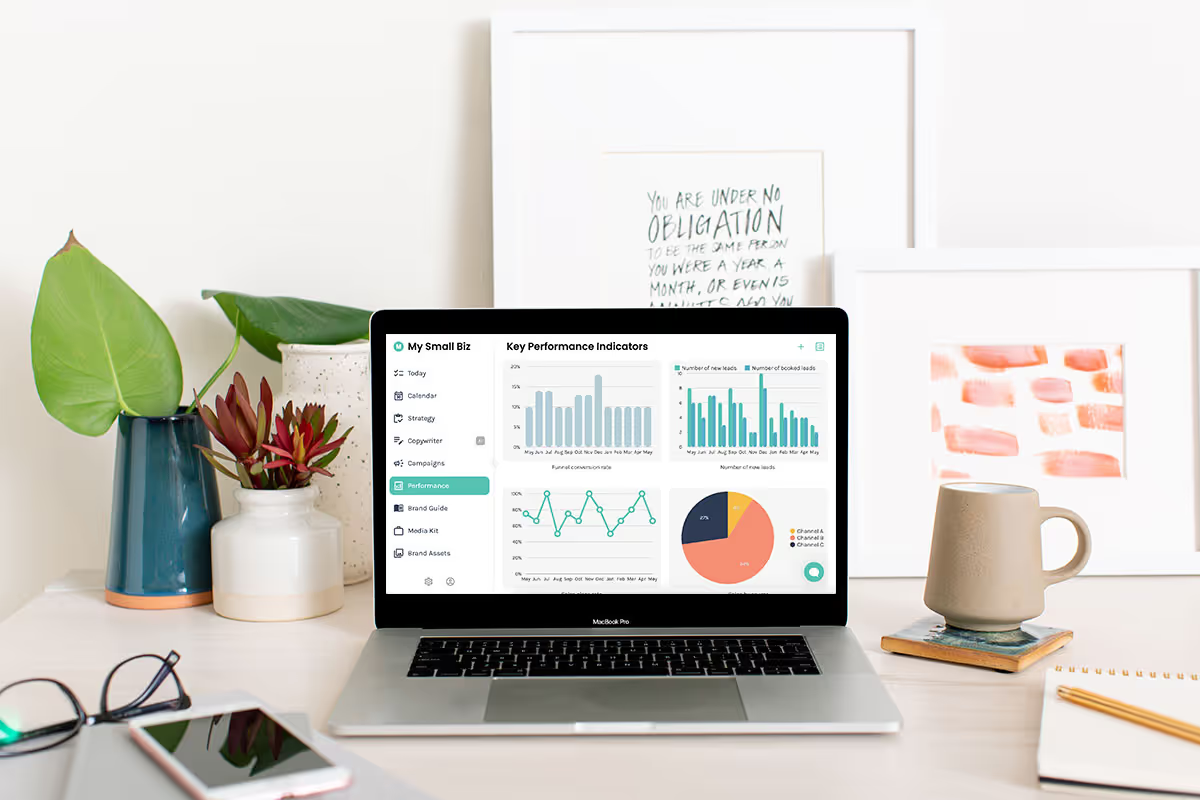
Simple marketing dashboards focus on business outcomes: How many leads did you get? What's your conversion rate? Which marketing channels are driving actual customers? Enji's KPI dashboard, for example, connects to your key platforms and shows you trends in the metrics that actually impact your bottom line.
The beauty of simple dashboards is they're designed for business owners, not data analysts. Instead of 47 different charts, you get 5-7 key metrics presented visually so you can spot trends quickly. No advanced statistics knowledge required.
That said, complex tools aren't useless—they're just overkill for most small businesses. If you're running a $5M+ business with dedicated marketing staff, the granular data might be worth it. But if you're a solopreneur trying to understand if your marketing is working, simple beats complex every time.
The smart approach? Start simple, then add complexity only if your business actually needs it. Most small businesses never outgrow simple dashboards that focus on leads, customers, and revenue.